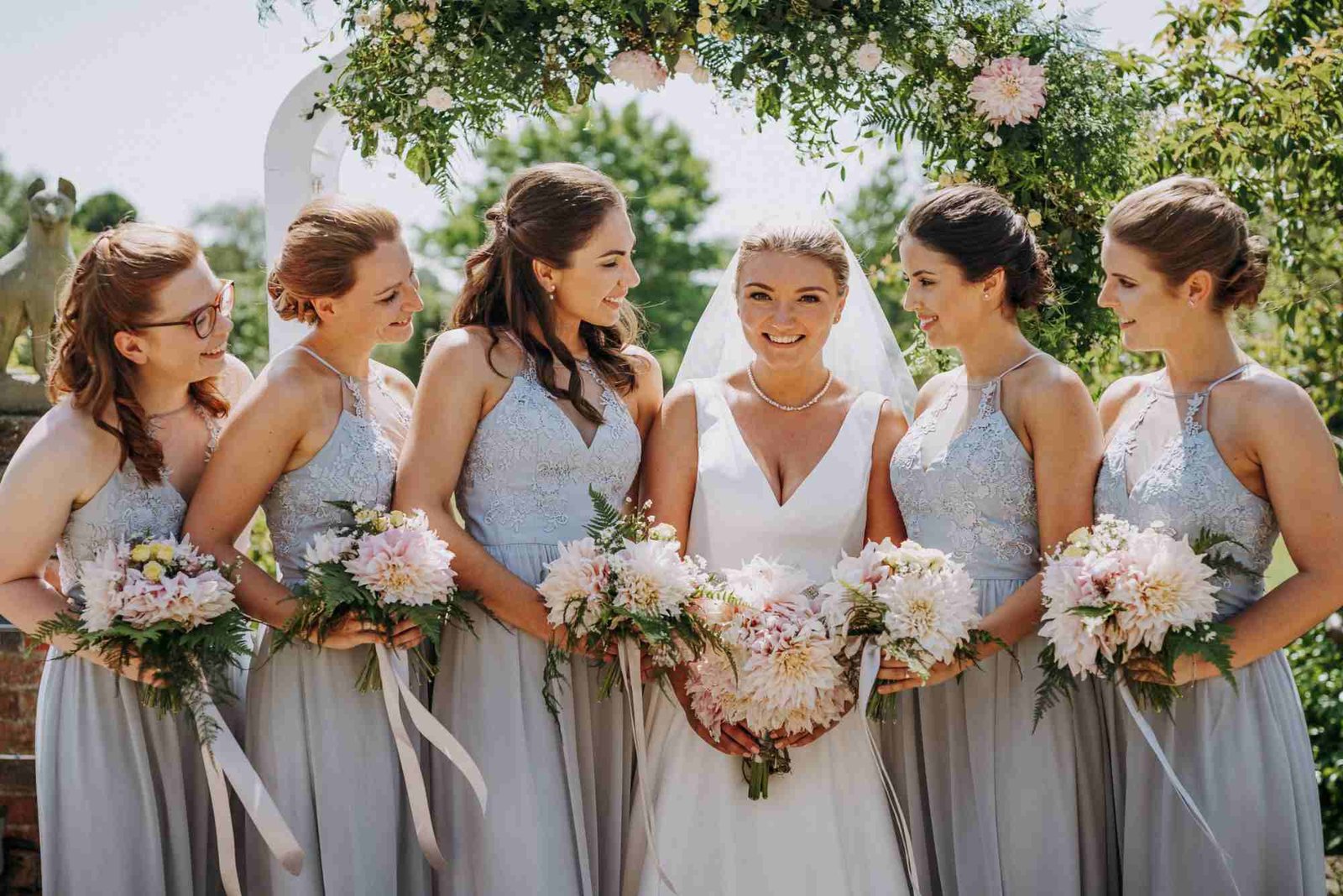
Wedding Planning Timeline
Planning a wedding can feel overwhelming, but a well-structured wedding planning timeline can make the journey smooth and enjoyable. From the moment you get engaged to the day you say “I do,” following a clear timeline helps you stay organized, reduce stress, and ensure nothing is overlooked. This guide provides a practical roadmap to planning your dream wedding step by step.
Introduction Why a Wedding Planning Timeline Matters
A wedding is more than just a celebration; it’s a complex event with countless details. From booking venues to sending out invitations, every task requires careful timing. Creating a wedding planning timeline allows couples to prioritize tasks, manage budgets effectively, and allocate sufficient time for decision-making. It also ensures that essential elements, like your attire, photography, and catering, are arranged without last-minute chaos.
Using a trusted Wedding platform can simplify this process, providing tools to track progress and stay on schedule. It’s also a central hub for managing vendors, RSVPs, and your guest list.
12+ Months Before the Wedding
The first year of planning focuses on setting the foundation for your celebration. Start by visualizing your ideal wedding and defining your priorities. Decide on your preferred venue early, as popular locations often book more than a year in advance. This is also the time to establish your budget and consider how many guests you wish to invite.
Once your venue is secured, begin exploring vendors for catering, photography, florals, and entertainment. Early booking ensures you have access to top professionals and avoids disappointment. Additionally, consider assembling your bridal party and starting to plan your engagement photos.
At this stage, browsing designs for wedding invitations and noting your style preferences can help when it’s time to finalize them later.
9–11 Months Before the Wedding
During this period, focus on solidifying major details. Book your officiant, finalize your guest list, and start exploring wedding attire options. Brides often schedule fittings around this time, and grooms can order suits or tuxedos to ensure timely alterations.
Engage with vendors for services like videography, music, and transportation. Begin thinking about your theme, color palette, and wedding décor. This step allows for thoughtful decisions without pressure and sets the tone for your overall wedding aesthetic.
6–8 Months Before the Wedding
Half a year out, it’s time to make concrete choices. Finalize your dress selection and confirm your wedding party attire. Schedule vendor tastings, such as cake or catering, to refine your menu options.
If you plan on having a destination wedding or a honeymoon abroad, start travel arrangements and accommodation bookings. Many couples also send out “save the date” notices during this period. This ensures your guests have ample time to plan and prevents scheduling conflicts.
4–5 Months Before the Wedding
This stage is critical for confirming all vendor contracts and planning finer details. Focus on decorations, floral arrangements, and entertainment schedules. Couples often schedule engagement shoots, music rehearsals, and hair and makeup trials around this time.
Finalizing the menu with your caterer ensures a seamless dining experience on the big day. This is also an excellent moment to review your wedding invitations design, addressing any updates to guest lists or formatting preferences.
2–3 Months Before the Wedding
With major decisions in place, focus on logistics. Finalize your ceremony and reception timeline. Confirm transportation arrangements for the wedding party and guests. Order wedding favors, décor items, and any additional rentals, such as linens or lighting.
Send out your formal invitations during this time. Include RSVP instructions, and track responses meticulously. This ensures you have a precise headcount, which is vital for catering, seating, and planning any last-minute adjustments.
1 Month Before the Wedding
The final month involves tying up loose ends and focusing on details that impact your daily routine. Schedule final dress fittings, hair, and makeup trials. Confirm rehearsal dates with your bridal party and vendors.
Check on all contracts to ensure all services are secured. Prepare welcome bags for guests, assemble a day-of emergency kit, and finalize seating arrangements. At this stage, practicing self-care is essential. Managing stress and prioritizing rest ensures you approach your wedding day feeling calm and confident.
1–2 Weeks Before the Wedding
As the wedding approaches, review timelines with your coordinator and vendors. Confirm arrival times for everyone involved. Pack for your honeymoon if applicable, and complete any last-minute errands or payments.
Take time to relax and enjoy the excitement. Trust that your planning has covered all major aspects, and let the professionals handle the day-of logistics.
Wedding Day
Finally, your planning culminates in a beautiful celebration. Arrive early, savor the moment, and rely on your timeline to keep the day on track. A well-executed wedding planning timeline ensures you can focus on what truly matters—celebrating your love with friends and family.
Post-Wedding Tasks
After the celebration, remember to send thank-you notes and organize your wedding photos and videos. Review vendor services and leave feedback. Reflecting on the journey and celebrating your accomplishments is an essential part of the process.
A strategic wedding planning timeline transforms an overwhelming task into an organized and enjoyable experience. By starting early, booking key vendors, and following a structured schedule, you ensure your wedding is memorable and stress-free. Utilize resources like a Wedding platform and thoughtfully designed wedding invitations to simplify the planning journey.
Take control of your wedding today and start mapping out your timeline. Planning ahead guarantees a celebration that reflects your unique love story and creates lifelong memories.