Introduction
Resource guarding in dogs can make everyday situations stressful for pet owners. A dog might growl near its food bowl, snap when someone approaches a toy, or become tense around a favorite chew. Although these behaviors can feel alarming, they often develop because dogs fear losing something valuable.
Resource Guarding in Dogs: How to Stop Food and Toy Aggression with Trade Drills explains how positive reinforcement can help dogs feel safer around their belongings. Instead of forcing a dog to surrender food or toys, trade drills teach it that giving something up brings better rewards.
With patience, consistent training, and appropriate safety measures, many dogs can learn more comfortable responses. However, serious aggression requires professional guidance. Understanding the reasons behind guarding is the first step toward lasting improvement.
What Is Resource Guarding in Dogs?
Resource guarding occurs when a dog uses behavior to protect something it considers valuable. Common resources include food, treats, toys, bones, resting places, and occasionally a favorite person.
The behavior can range from subtle discomfort to serious aggression. A dog might eat faster when someone approaches or position its body over a toy. Other dogs may freeze, stare, growl, bare their teeth, or bite.
These signals should never be dismissed. They communicate discomfort and warn others to move away. Recognizing them early gives owners an opportunity to prevent escalation.

Resource guarding does not automatically mean a dog is dominant or naturally aggressive. It often reflects anxiety, previous experiences, competition, or an expectation that valuable items will be taken away.
Why Do Dogs Guard Food and Toys?
Several factors can contribute to resource guarding. Dogs with a history of competition over food may become especially protective. Puppies raised alongside many animals might also develop guarding behaviors.
However, guarding can appear in dogs without difficult backgrounds. Some simply discover that growling makes people retreat, allowing them to keep their possessions.
In other cases, repeated attempts to remove food or toys can increase insecurity. If a dog expects every approaching hand to take something away, it may begin defending its belongings more intensely.
Pain can also influence behavior. A dog that suddenly becomes protective around food or resting areas should receive a veterinary examination. Medical discomfort may reduce its tolerance for handling or approach.
Understanding the underlying cause helps owners choose safer training methods. Punishment rarely addresses the emotional reason behind guarding and may increase the risk of biting.
Recognizing Early Signs of Resource Guarding
Early warning signs are often subtle. A dog may stop chewing when someone approaches, lower its head over a bowl, or turn its body away from a visitor.
Some dogs become unusually still. This freezing behavior can indicate discomfort even when the dog is not growling. Others show the whites of their eyes, stiffen their legs, or watch approaching hands closely.
Growling, snapping, and biting are more obvious warnings. However, owners should not wait for these behaviors before responding.
When you notice tension, calmly increase the distance between the dog and the perceived threat. Avoid reaching toward the guarded object or attempting to prove that you can take it.
Children should never participate in exercises involving guarded resources. Keep them separated from the dog during meals, chewing sessions, and training.
How Trade Drills Help Reduce Resource Guarding
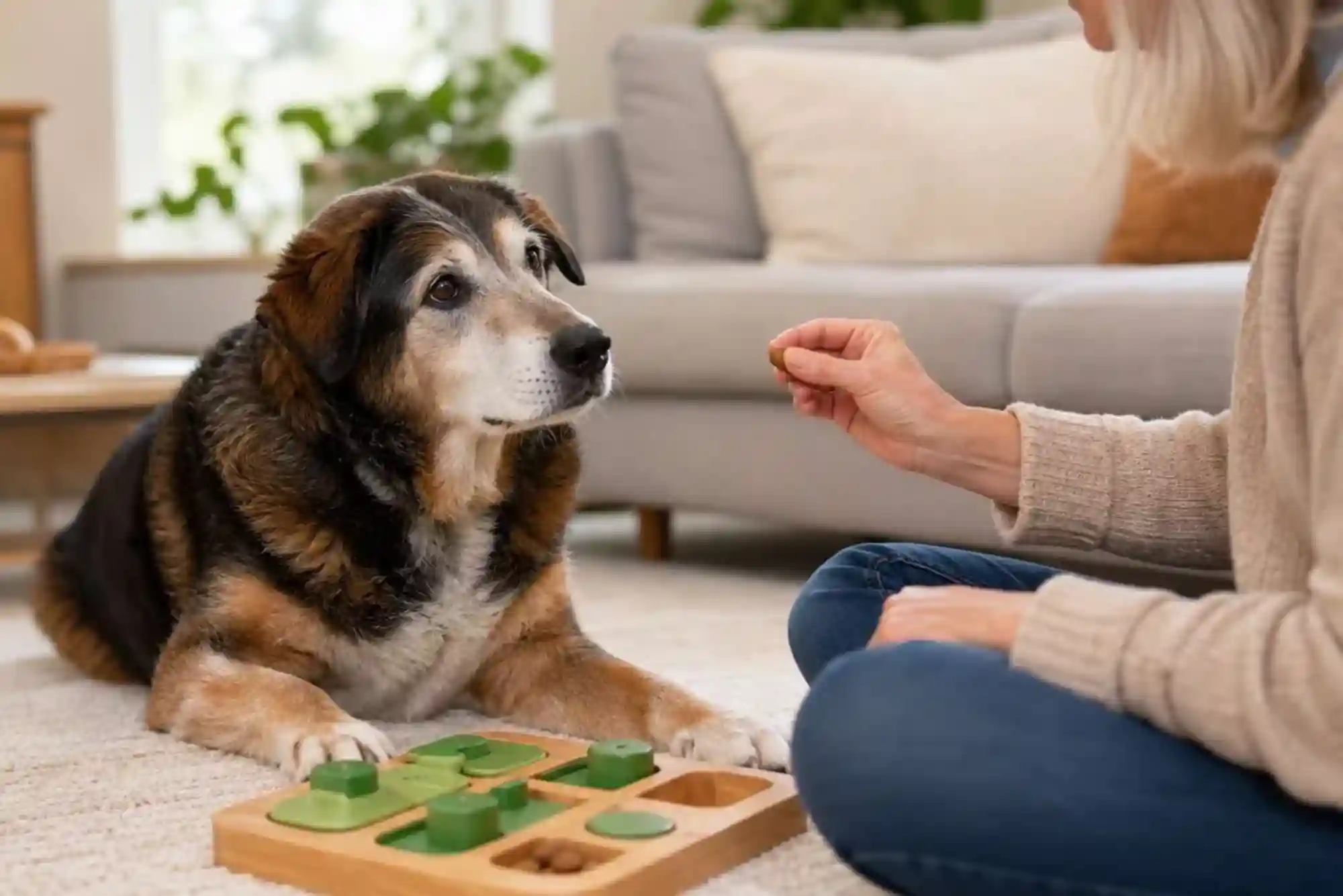
Trade drills teach dogs that releasing an object can produce something equally valuable or even better. The goal is to change the dog’s expectations, rather than simply teach obedience.
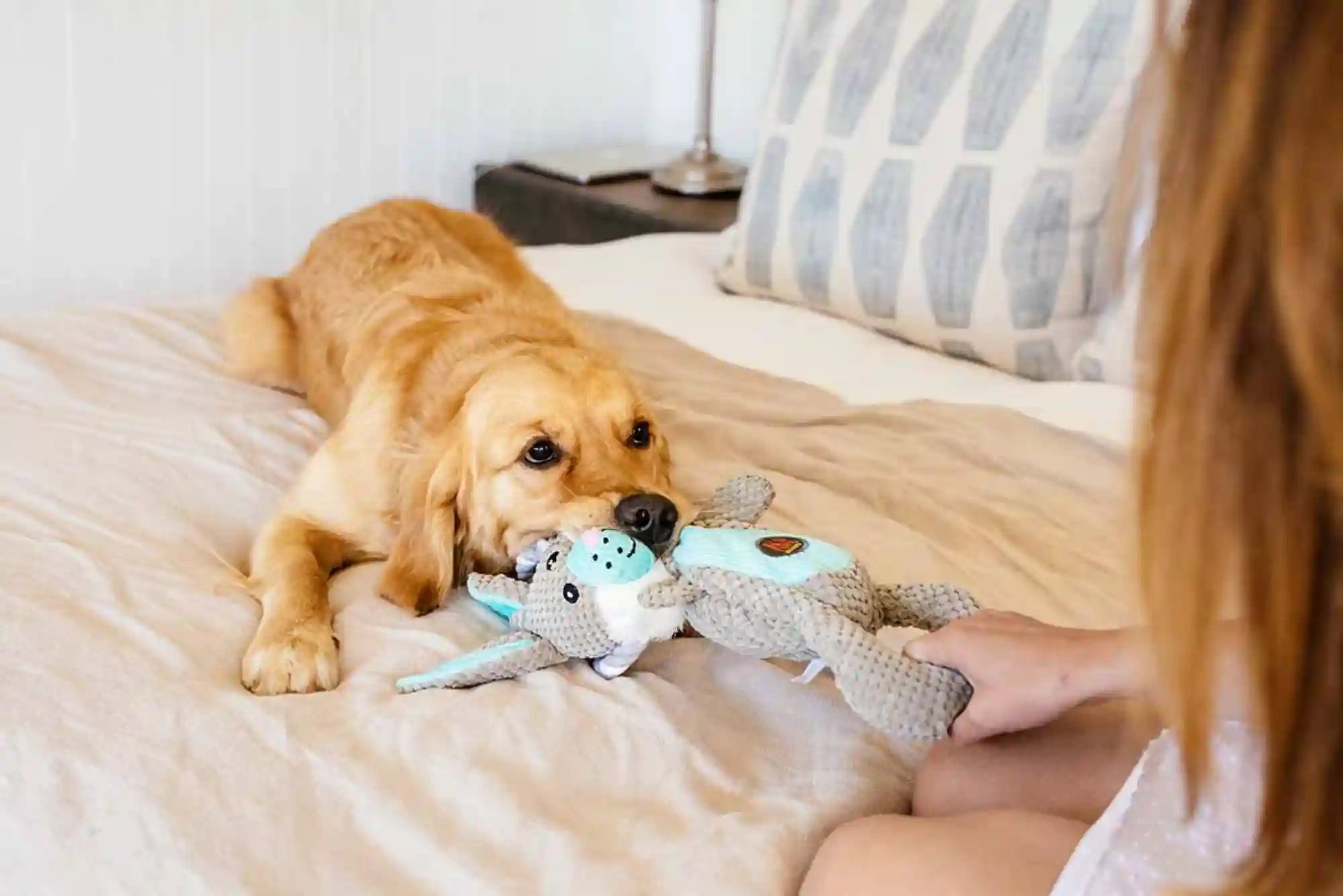
For example, a dog holding a toy might learn that dropping it earns a delicious treat. The dog begins associating the approaching person with additional rewards instead of loss.
This approach works best when the dog remains relaxed throughout the exercise. If it freezes, growls, or refuses food, the training may be too difficult. Increase distance and consider professional assistance.
Start With Low-Value Toys
Choose an ordinary toy your dog enjoys but does not fiercely protect. Begin in a quiet room with minimal distractions.
Allow your dog to hold the toy naturally. Then offer a small, high-value treat at a comfortable distance. When your dog voluntarily releases the toy, calmly mark the behavior with a word such as “yes” and deliver the reward.
Initially, avoid reaching for the toy immediately. Let the dog enjoy its reward without feeling pressured.
Once the dog consistently releases the toy comfortably, practice with different low-value objects. Keep sessions brief and end before frustration develops.
Teach the Drop Cue Through Positive Reinforcement
After your dog understands the exchange, introduce a verbal cue such as “drop.” Say it calmly just before presenting the reward.
When the dog releases the object, reward immediately. Repeat only while the dog remains relaxed and interested.
Over time, your dog can learn that the cue predicts a worthwhile outcome. However, the cue should not become a trick for repeatedly confiscating possessions.
Whenever appropriate, return the original toy after the exchange. This demonstrates that releasing something does not always mean losing it permanently.
Progress Gradually to More Valuable Toys
Once low-value exchanges become reliable, consider practicing with moderately valuable toys. Change only one aspect of the exercise at a time.
For instance, introduce a slightly more exciting toy while maintaining the same quiet environment. If the dog becomes tense, return to an easier exercise.
Never begin with a treasured bone, food bowl, or object that has already triggered aggression. Those situations require more careful assessment and potentially professional supervision.
Managing Food Bowl Guarding Safely
Food guarding requires additional caution because eating can be highly motivating. Owners should not begin by touching the bowl, removing food, or placing their hands near the dog’s face.
Instead, establish a quiet feeding area where the dog can eat without interruption. Keep children and other pets away, and avoid approaching simply to test the dog’s reaction.
For mild discomfort, a qualified professional may recommend carefully controlled counterconditioning. At an appropriate distance, a person briefly appears and tosses a desirable treat toward the feeding area before leaving.
The dog should remain relaxed and continue eating normally. Over repeated sessions, the approaching person becomes associated with additional food rather than competition.
The correct distance depends on the individual dog. If the dog stiffens, stops eating, growls, or guards more intensely, the exercise needs professional reassessment.
Never punish a growl or deliberately remove food to teach tolerance. These actions can increase fear and remove useful warning signals.
Common Mistakes That Make Guarding Worse
One common mistake is forcibly taking objects from a dog’s mouth. This can confirm the dog’s fear that people approach to steal valuable possessions.
Another mistake involves punishing growling. Although the growl may be unpleasant, it communicates discomfort. Suppressing the warning does not necessarily remove the underlying emotion.
Owners sometimes repeatedly test their dogs by touching food bowls or taking toys away. This creates unnecessary conflict and may strengthen defensive behavior.
Rushing training is equally problematic. A dog that succeeds with a tennis ball may still struggle around a bone or food bowl. Progress with one resource does not guarantee safety with another.
Instead, focus on prevention, gradual practice, and emotional comfort. Reward relaxed behavior and avoid situations that push the dog beyond its current abilities.
When Should You Seek Professional Help?
Professional support is especially important when a dog has bitten someone, snapped repeatedly, guarded multiple resources, or reacted aggressively around children.
A sudden change in behavior also warrants veterinary assessment. Pain, dental problems, and other medical issues may contribute to increased irritability.
Look for a qualified reward-based trainer experienced in resource guarding. A veterinary behaviorist can assess complex cases and recommend an individualized treatment plan.
Until help is available, manage the environment carefully. Feed the dog separately, prevent children from accessing its belongings, and avoid confronting it over guarded objects.
If the dog has a dangerous item, do not attempt to wrestle it away. Contact a qualified professional for advice about the safest response.
Frequently Asked Questions
Can resource guarding in dogs be cured?
Many dogs improve significantly with management and behavior modification. However, outcomes depend on the dog’s history, triggers, health, and severity. Some dogs require lifelong precautions around particular resources.
Should I take my dog’s food away to prevent aggression?
No. Repeatedly removing food can increase insecurity and make guarding worse. Instead, provide a peaceful feeding environment and use professionally guided positive reinforcement when needed.
How do I stop my dog from growling over toys?
Avoid punishment or grabbing the toy. Increase distance, prevent further confrontation, and seek professional guidance if the behavior is intense. Carefully designed trade drills may help when the dog can participate safely.
Why does my dog guard toys but not food?
Dogs value resources differently. A particular toy may be more exciting or emotionally important than food. Training should address each guarded resource individually rather than assuming the same strategy works everywhere.
How long does resource guarding training take?
Progress varies considerably. Mild cases may improve over several weeks, while complex cases can require months or longer. Consistency, appropriate management, and professional guidance are more important than a fixed deadline.
Conclusion
Resource guarding in dogs can be challenging, but a thoughtful approach can improve safety and confidence. The most effective training focuses on changing how dogs feel about people approaching valuable possessions.