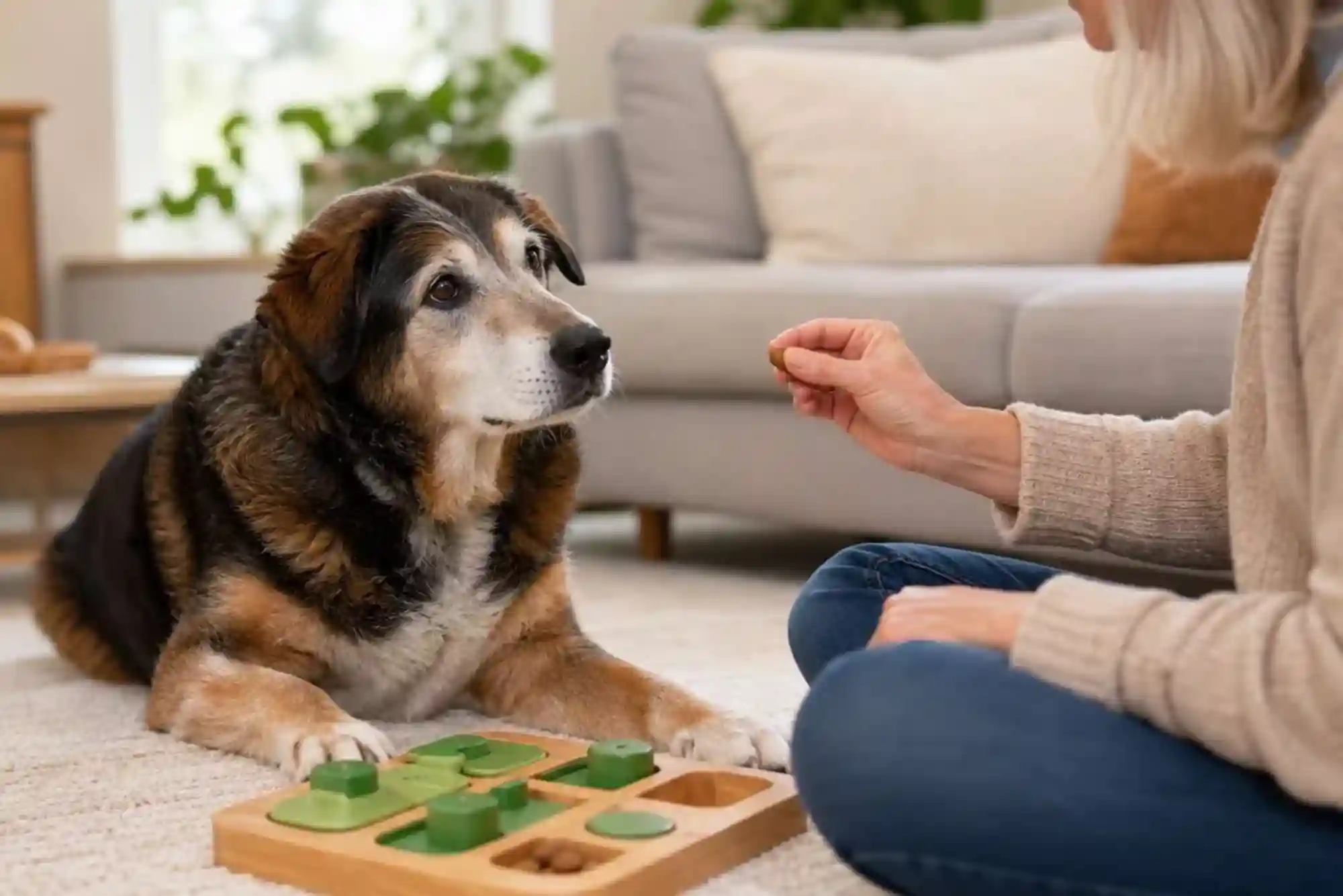
Can Dogs Eat Apples, Bananas, and Carrots? Fiber Benefits and Choking Hazard Prevention
Introduction
Can Dogs Eat Apples, Bananas, and Carrots? Fiber Benefits and Choking Hazard Prevention is an important topic for dog owners who want healthier treats. Fortunately, all three foods can be suitable for many dogs when prepared correctly.
Apples, bananas and carrots contain useful nutrients and fibre. However, they should never replace a complete, balanced canine diet. Portion size also matters because fruit contains natural sugars.
Most importantly, preparation affects safety. Large, hard or poorly prepared pieces can create a choking risk. Therefore, dogs should receive appropriately sized portions under supervision.
Can Dogs Eat Apples, Bananas, and Carrots? Fiber Benefits and Choking Hazard Prevention
Yes, healthy dogs can generally eat small amounts of apples, bananas and carrots. Each food offers different nutritional benefits.
Apples provide fibre, vitamin C and water. Bananas contain potassium, vitamin B6 and natural carbohydrates. Carrots provide fibre and beta-carotene, while their crunchy texture can make them an appealing treat.
However, dogs have different dietary needs. A sensitive stomach, obesity, diabetes or another health concern can change what treats are appropriate. When in doubt, speak with your veterinarian before introducing new foods.

The central principle behind Can Dogs Eat Apples, Bananas, and Carrots? Fiber Benefits and Choking Hazard Prevention is simple. Choose safe foods, prepare them properly and keep portions modest.
Are Apples Safe for Dogs?
Apples can be a nutritious occasional treat for many dogs. Their fibre content may support normal digestive function. They also contain water and several beneficial micronutrients.
However, dogs should not eat apple seeds, cores or stems. Apple seeds contain compounds that can release cyanide when crushed and consumed in significant amounts.
The core is also firm and difficult to chew. Therefore, remove the core and seeds before giving apple to your dog.
Wash the apple thoroughly and cut the flesh into small, manageable pieces. Smaller pieces are particularly important for puppies and dogs that swallow food quickly.
Can Dogs Eat Apples, Bananas, and Carrots? Fiber Benefits and Choking Hazard Prevention also means considering the dog’s individual chewing habits. A treat that is safe for one dog may require different preparation for another.
Are Bananas Safe for Dogs?
Bananas are generally safe for dogs in moderation. They provide potassium, fibre and vitamin B6. Their soft texture also makes them easy to mash or cut into small pieces.
However, bananas contain more natural sugar than many vegetables. Too much can contribute unnecessary calories or cause digestive upset.
A small piece can be an occasional reward. Larger dogs may tolerate more, but portion size should still remain controlled.
Banana peel should not be offered as a normal treat. It is difficult to digest and may cause gastrointestinal discomfort.
For dogs that gain weight easily, lower-calorie treats may be a better everyday choice.
Are Carrots Safe for Dogs?
Carrots are widely used as a dog-friendly vegetable. They contain fibre and beta-carotene, which the body can convert into vitamin A.
Raw carrots can provide a crunchy snack. Cooked carrots can be softer and easier for some dogs to chew.
Nevertheless, whole or large carrot pieces can become choking hazards. Cut carrots into suitable pieces according to your dog’s size.
For puppies, older dogs and fast eaters, softer cooked carrots may be safer. Always supervise your dog while eating.
Can Dogs Eat Apples, Bananas, and Carrots? Fiber Benefits and Choking Hazard Prevention therefore applies especially well to carrots. Their nutritional value does not remove the need for sensible preparation.
How Fibre Benefits Dogs
Fibre plays an important role in healthy digestion. It can help support normal bowel movements and contributes to digestive health.
Apples and carrots contain dietary fibre, while bananas also provide fibre in moderate amounts. The exact nutritional value depends on the serving size and preparation.
However, increasing fibre suddenly may cause gas or loose stools. Therefore, introduce new foods gradually.
Fibre should also come primarily from a balanced diet designed for your dog’s life stage. Treats should remain a small part of daily calorie intake.
Choking Hazards and Safe Preparation
Choking prevention is one of the most important parts of Can Dogs Eat Apples, Bananas, and Carrots? Fiber Benefits and Choking Hazard Prevention.
Dogs vary greatly in their eating habits. Some carefully chew every bite, while others swallow treats quickly. Fast eaters require additional care.
Hard foods should be cut into pieces that match the dog’s size. Avoid giving large chunks that could become lodged in the throat.
Always supervise your dog when offering unfamiliar foods. If your dog struggles to breathe, coughs violently or shows signs of choking, seek emergency veterinary assistance immediately.
Do not assume that coughing or gagging will always resolve without help. A suspected airway obstruction can become life-threatening quickly.
Apple, Banana and Carrot Comparison
| Food | Potential Benefits | Main Concern | Safer Preparation |
|---|---|---|---|
| Apple | Fibre, water and vitamin C | Seeds and core | Remove seeds and core, then cut into small pieces |
| Banana | Potassium, fibre and vitamin B6 | Sugar and excess calories | Remove peel and serve small pieces |
| Carrot | Fibre and beta-carotene | Large or hard pieces | Cut appropriately or cook until softer |
This comparison shows why portion control and preparation matter as much as the food itself.
How Much Can Dogs Eat?
There is no single portion suitable for every dog. A Chihuahua and a Great Dane have very different calorie requirements.
Treats should generally remain a limited part of the overall diet. Introduce one new food at a time so you can notice possible digestive reactions.
Start with a small amount. If your dog develops vomiting, diarrhoea, excessive gas or another unusual reaction, stop offering the food and contact your veterinarian if symptoms are concerning.
Dogs with dietary restrictions need extra care. Likewise, dogs with existing medical conditions may need specially controlled diets.
Making Treats Safer in Multi-Pet Homes
In homes with several animals, feeding can become more complicated. Different dogs may have different sizes, eating speeds and dietary requirements.
This makes Multi-Pet Household Harmony especially relevant when introducing shared treats. Feed animals separately when necessary and prevent one dog from stealing another dog’s food.
Supervision can also reduce competition. A dog that normally eats slowly may gulp food when another pet is nearby.
Keeping portions individual helps maintain better dietary control. It also makes it easier to identify which food caused a reaction.
When Should You Avoid These Foods?
Although apples, bananas and carrots can be suitable for many dogs, they are not appropriate in every situation.
Dogs with food allergies may need to avoid particular ingredients. Dogs with obesity may need lower-calorie treats. Dogs with digestive disorders may require veterinary dietary guidance.
You should also avoid giving prepared human foods containing these ingredients if they include unsafe additions.
For example, apple desserts may contain excessive sugar or spices. Banana bread can contain ingredients that are unsuitable for dogs. Carrots covered in sauces may contain excessive salt or other problematic ingredients.
Plain, appropriately prepared foods are the safer option.
What Experts Recommend About Dog-Friendly Vegetables
Reliable veterinary information can help owners understand which vegetables are appropriate and how they should be prepared. Resources such as Uaemate and PetMD Canine Safe Vegetables can provide useful educational guidance for pet owners.
Still, general guidance cannot replace individual veterinary advice. Your dog’s age, size, health and normal diet all influence suitable treats.
Can Dogs Eat Apples, Bananas, and Carrots? Fiber Benefits and Choking Hazard Prevention for Puppies
Puppies need particular care when eating solid treats. Their mouths and digestive systems are still developing.
Soft foods may be easier for young puppies. Hard vegetables should be prepared into appropriately small or softened pieces.
Puppies can also become enthusiastic eaters. Therefore, supervision is essential.
Introduce new treats gradually rather than giving several unfamiliar foods at once. This makes digestive reactions easier to identify.
Frequently Asked Questions
Can dogs eat apples every day?
Are apples healthy for dogs?
Apples can be healthy occasional treats for many dogs. However, daily feeding should consider calories and the dog’s complete nutritional needs.
Always remove the seeds and core before serving.
Can dogs eat bananas?
How much banana can a dog eat?
Dogs can generally have small amounts of plain banana as an occasional treat. The appropriate amount depends on the dog’s size, calorie needs and overall diet.
Because bananas contain natural sugar, excessive portions are not recommended.
Can dogs eat carrots every day?
Are carrots good for dogs?
Carrots can provide fibre and beta-carotene. However, treats should remain balanced with the dog’s normal complete diet.
Large raw pieces should be avoided because they can create a choking hazard.
What fruit is safe for dogs?
What fruits can dogs eat safely?
Several fruits can be suitable for dogs when properly prepared. Apples, bananas and certain other dog-friendly fruits may be offered in moderation.
Remove seeds, pits, stems and other potentially dangerous parts where applicable.
Can dogs choke on carrots?
Are raw carrots a choking hazard for dogs?
Yes. Large or hard carrot pieces can become choking hazards, particularly for small dogs and fast eaters.
Cut carrots into appropriately sized pieces and supervise your dog while eating.
Conclusion
Can Dogs Eat Apples, Bananas, and Carrots? Fiber Benefits and Choking Hazard Prevention has a straightforward answer. Many healthy dogs can enjoy these foods when portions remain small and preparation is appropriate.
Apples provide fibre and useful nutrients when seeds and cores are removed. Bananas offer potassium and fibre but should be limited because of their sugar content. Carrots provide fibre and beta-carotene while requiring careful cutting.
Most importantly, never overlook choking prevention. Match food size to your dog’s mouth and eating behaviour. Introduce new treats gradually and supervise feeding.
For more practical pet nutrition guidance, continue exploring trusted canine nutrition resources and speak with your veterinarian about your dog’s individual needs.
Related Reading: كل ما تحتاج معرفته عن تخصص العيون والحفاظ على صحة بصرك
Related Reading: Feline Hyperthyroidism: Weight Loss with Increased Appetite Symptoms and Treatment — full guide
Related Reading: إعداد منصة MT4 للتداول اليومي الفعال — full guide
Related Reading: Best Heavy Duty No-Pull Harnesses for Pitbulls, Boxers, and Strong Pullers